
"Central America single origin"
600 article(s) found

A brief introduction to the world-famous coffee beans and their producing areas
Latin American coffee beans (Central and South America) Brazil: Santos, Bahia, Cerrado, Mogiana Mexico: Coatepec, Huatusco, Orizaba, Maragogype, Tapanchula, Huixtla, Plumako
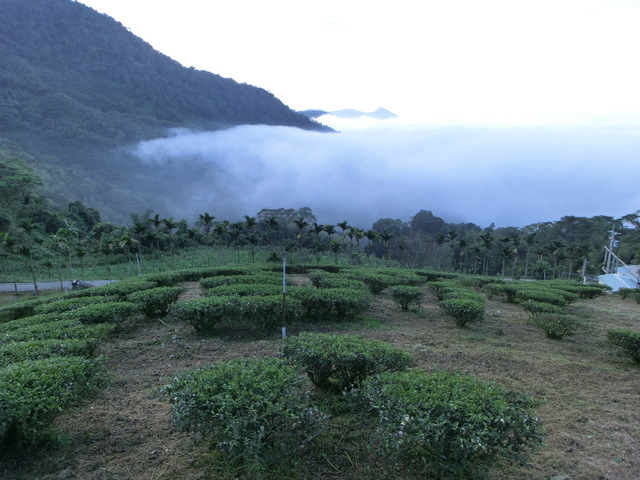
China Coffee Network recommends coffee bean producing area-Central America-Honduras (Honduras) washed bourbon
Well-known representative coffee: Honduran coffee seems strange to many coffee drinkers. When it comes to coffee production, the geographical conditions of Honduras are no less than those of neighboring coffee-producing countries such as Guatemala and Nicaragua. However, in the past, Honduras was more well-known in the consumer market because it did not have strong support in the handling and transportation of raw beans.

Boutique coffee science knowledge coffee leaf rust
The shift from traditional shading to sun-exposed cultivation may be the main cause of large-scale outbreaks of coffee leaf rust on coffee farms in Central America and Mexico. Coffee leaf rust was discovered in Central America as early as 40 years ago, but the recent outbreaks in Central America (Colombia, Costa Rica, El Salvador, Guatemala, Nicaragua) and Mexico are by far the most serious and dangerous.
Why coffee beans have such a long name?
Why coffee beans have such a long name? Why is there a single item, deep roast and Italian style of coffee? Where did so many names come from?

Why is coffee divided into single, deep roast and Italian?
Why do coffee beans have such long names? Why is coffee divided into single, deep roast and Italian? Where do all these names come from? When you walk into a specialty coffee shop or open a website for a specialty coffee bean vendor, you may be confused by the variety of coffee names. Why do coffee beans have such long names? Why is coffee divided into single, deep roast and Italian? How is this divided?

How to deal with the processing of single beans in Santa Barara Manor? how to grade the single beans in Santa Barara Manor?
For the exchange of professional baristas, please follow the coffee workshop (Wechat official account cafe_style). The COPAN Copan producing area of Santa Barara Manor in Honduras is located in the city of Copan in western Honduras, of which the most famous is the local Mayan site. The region is adjacent to Guatemala and regions like this remind me to attach importance to the actual origin of coffee rather than to producing countries. In fact, there is some force in the division of countries.

Central American Nicaraguan and Honduran coffee flavor, suitable for how to make it
For the exchange of professional baristas, please follow the Coffee Workshop (official Wechat account cafe_style). There are seven countries in Central America, namely, Belize, Costa Rica, El Salvador, Guatemala, Honduras, Nicaragua and Panama. All seven countries in Central America produce coffee, among which Guatemala, Costa Rica and Honduras are global coffee exporters.

Flavor characteristics, producing areas and brewing parameters of single bean of Guatemalan coffee
For the exchange of professional baristas, please pay attention to the coffee workshop (Wechat official account cafe_style) Guatemalan coffee single bean flavor characteristics, producing areas and brewing parameters Antigua is the most famous of the eight major producing areas in Guatemala, the unique volcanic soil shade planting, so that Antigua coffee beans have a unique and delicate smoky flavor, loved by the Taiwan people. Property Cha

Flavor characteristics, producing areas and brewing parameters of single bean of Nicaraguan Coffee
For the exchange of professional baristas, please pay attention to the coffee workshop (Wechat official account cafe_style) Nicaragua Heavenly Gift Coffee single bean flavor characteristics, producing areas and brewing parameters Nicaragua is mainly divided into four major producing areas, namely (Segovias), Madaguelba / Henodeka region (Matagalpa/Jinotega), Borgo region (Boaco) and Pacific Coast area (Pacific). Planting
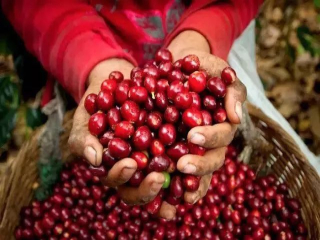
Flavor characteristics and differential description of three varieties of coffee beans introduction to the main producing countries
Comparison of the shape of three common beans 1. Arabica grows Arabica beans, and the world-famous Blue Mountain Coffee and Mocha Coffee are almost all Arabica varieties. Shape: the shape of the bean is small, the front is long oval, the middle crack is narrow and tortuous, and the arc on the back of the bean is flat, uniform in size and shiny in color.
Interpreting the Secrets in the name label of Coffee beans
Why do coffee beans have such a long name? Why is there a single item, deep roast and Italian style of coffee? How is this distinguished? When you walk into a coffee store or open the website of a professional coffee and bean seller, you may be confused by the dazzling variety of coffee names. Why do coffee beans have such a long name? Why is there a single item, deep roast and Italian style of coffee? How is this divided?
The Secret in the label: interpreting the name of Coffee Bean
Why do coffee beans have such a long name? Why is there a single item, deep roast and Italian style of coffee? How is this distinguished?
Interpretation of the name of Coffee Bean by Coffee knowledge
Why do coffee beans have such a long name? Why is there a single item, deep roast and Italian style of coffee? How is this distinguished? When you walk into a coffee store or open the website of a professional coffee and bean seller, you may be confused by the dazzling variety of coffee names. Why do coffee beans have such a long name? Why is there a single item, deep roast and Italian style of coffee? How is this divided?

Panamanian Coffee Manor, Panamanian Coffee
Following Cafe (official Wechat account vdailycom) found that Beautiful Cafe opened a small shop of its own. The distinction between the growing areas of Panama mainly depends on the sales situation of coffee, but mostly on the geographical distribution. In the past, coffee was widely spread, and the following areas are actually one area, but these areas are closely linked. Boquete, this is the best known Panamanian product.
Learn about coffee beans
Professionals all know that there may be great differences in the flavor of coffee beans from different years and different producing areas. Professional roasters will taste the raw coffee beans from different producing areas every year, and adjust the way of roasting and blending, so that consumers can get products with stable flavor and little difference.

Introduction to the characteristics of Arabica coffee beans how much is different kinds of Arabica coffee per pound
Professional coffee knowledge exchange more coffee bean information please follow coffee workshop (Wechat official account cafe_style) Arabica coffee originated in Ethiopia, the great navigation era was brought to the world by the colonists, has gradually become the most popular drink in the world. With Skyscanner, let's take a look at the main producing areas of coffee beans and the types of individual coffee. Coffee brings the whole world

A brief History of the Development of Panamanian Coffee: a brief introduction to the Origin and Development of Panamanian Coffee
Unlike some other high-priced coffee (such as cat shit, Blue Mountain), the coffee quality of this estate is really up to its price level, although high demand and market factors also play a role. This record-breaking coffee tastes unusual: bright and strong floral and citrus flavors, full of tea. All these come from Geisha.
The name of the coffee bean.
Why do coffee beans have such long names? Why is coffee divided into single, deep roast and Italian? How is this distinguished? When you walk into a specialty coffee shop or open a website for a specialty coffee bean vendor, you may be confused by the variety of coffee names. Why do coffee beans have such long names? Why is coffee divided into single, deep roast and Italian? How is this divided?
Planting of boutique coffee trees Coffee leaf rust
Coffee leaf rust was discovered in Central America as early as 40 years ago, but recent outbreaks in Central America (Colombia, Costa Rica, El Salvador, Guatemala, Nicaragua) and Mexico are by far the most serious. Guatemala, Honduras, Costa Rica and other countries have declared a national state of emergency. President of Guatemala says leaf rust will cause Guatemala